
The most difficult task for a long-running live game is making sure new players can join while ensuring the game doesn’t lose its specific “flavor.” World of Warcraft has spent decades refining this balance: making the game accessible enough that someone can join in 2024, but keeping it “Warcraft” enough that it doesn’t feel like a generic fantasy simulator. This guide looks at how the game preserves its unique identity while opening its doors to a changing audience.
Identity Through Visual and Thematic Depth
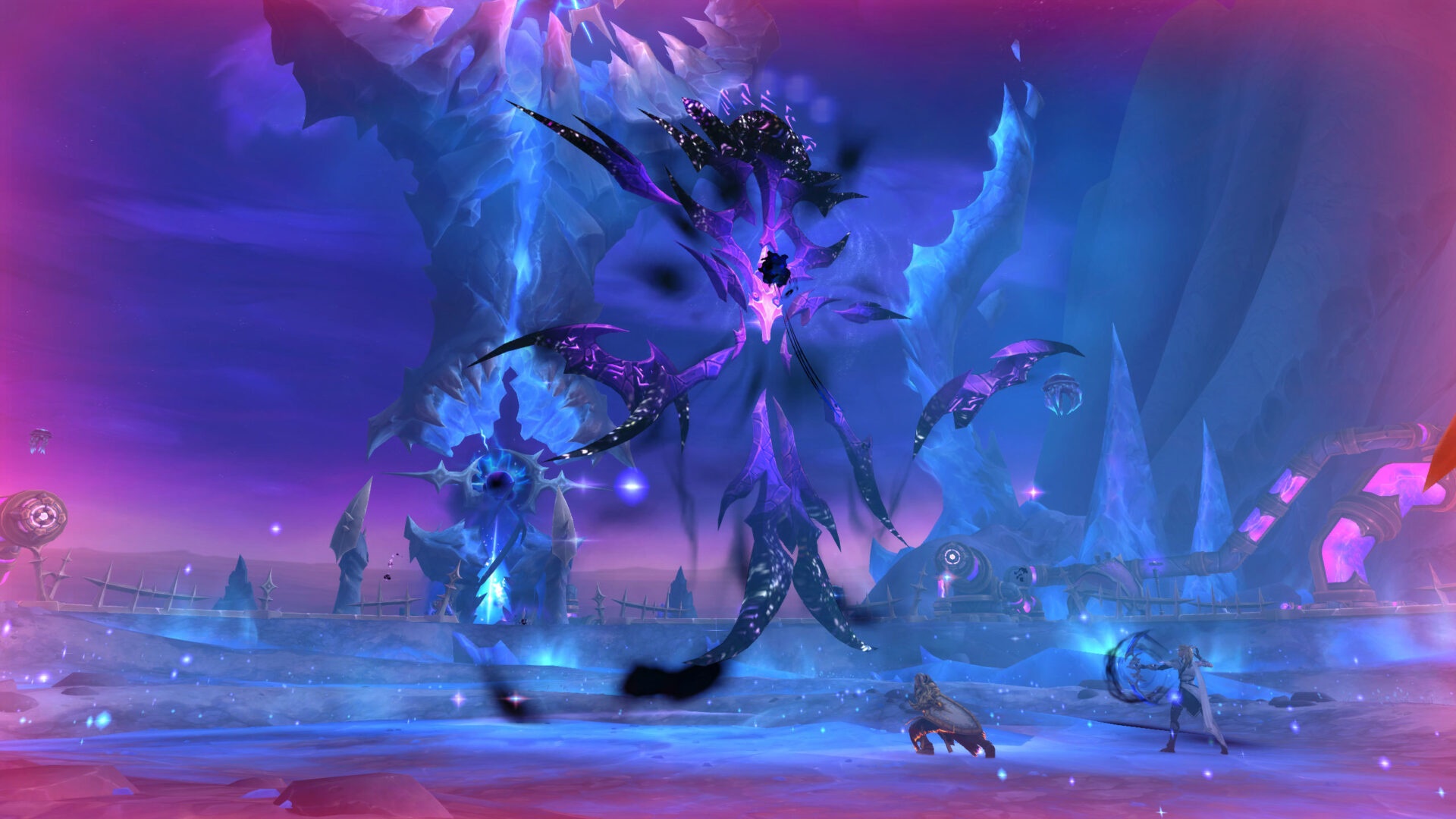
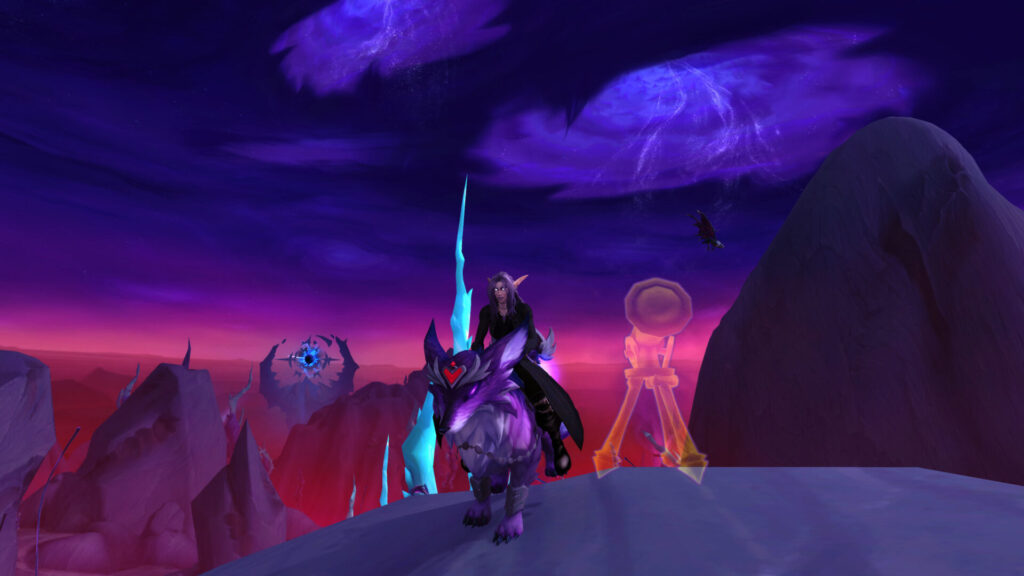
WoW preserves its identity through sheer, stubborn adherence to its core themes. The Orcs still look like Orcs, the magic still glows with the same iconic art style, and the lore remains anchored in the same historical continuity. Because these foundational elements never change, a player who joins today immediately recognizes the game for what it is. The “World of Warcraft” feel is preserved in the UI, the music, and the architectural language. This visual continuity acts as a “brand anchor.” Even if the systems are modern, the environment is classic, allowing the game to feel “modernized” rather than “transformed.”

Accessibility, meanwhile, is handled through “content layering.” The base game is designed to be welcoming, with scaled leveling and intuitive UI, but the endgame remains deeply technical and challenging. This allows the game to function as both a casual social hub and a competitive professional environment. By having these different “layers” of engagement, the game avoids the trap of dumbing down the experience for everyone. The identity remains intact for the veterans, while the entrance remains wide enough for the next generation. It is a system of “easy to enter, hard to master,” which is the gold standard for long-term game success.
Maintaining the Balance
| Design Strategy | Impact |
|---|---|
| Visual Consistency | Preserves “Warcraft” identity across years. |
| Content Layering | Lets beginners play while pros are challenged. |
| System Refinement | Modernizes play without changing the feel. |
| Narrative Continuity | Honors player history while inviting new fans. |
A Sustainable Vision

The game survives because it is not afraid to be itself. It doesn’t try to be like other, trendier MMOs; it tries to be a *better* version of the game it has always been. By focusing on accessibility as a tool for growth and identity as a tool for retention, World of Warcraft creates a unique space in the market. It manages to remain a familiar home for those who have been here for decades, while still appearing like a welcoming, world-class destination for the player arriving for the very first time.
Leave a Reply